Start with what the fireplace will burn
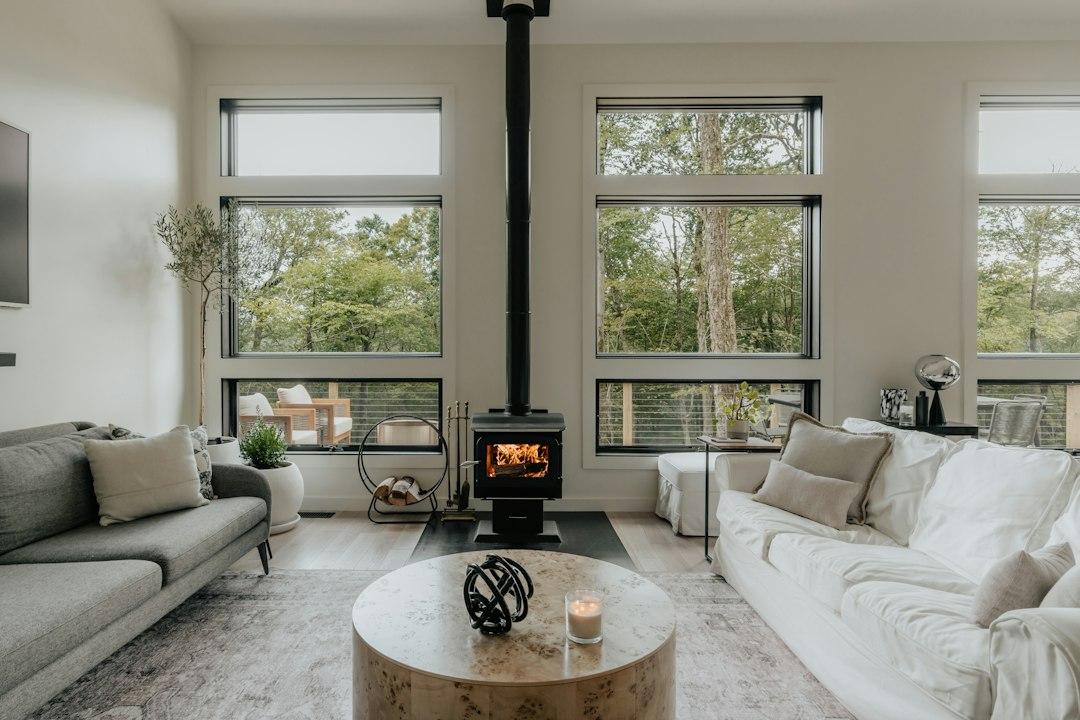
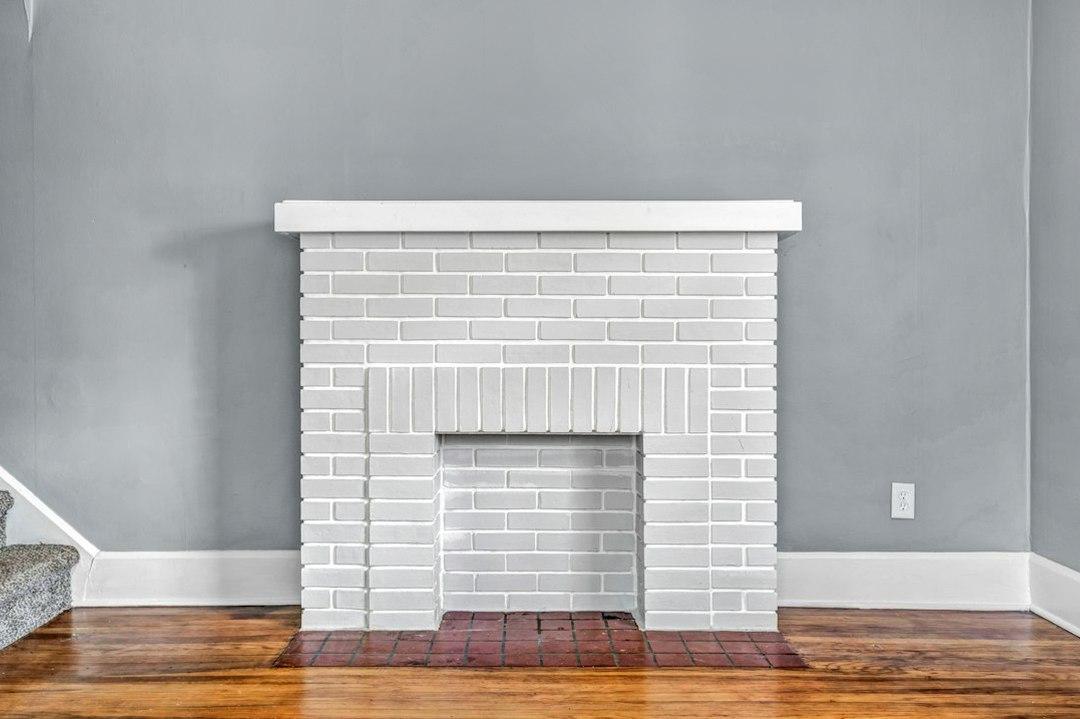
Most people who call about a remodel start with a picture: a stone face, a floating mantel, a clean rectangle of glass where the old brick arch used to be. In Westminster, where many living rooms still have the fireplace the house was built with, that picture usually includes leaving wood behind. The budget for that kind of remodel rests on one choice made before any tile is picked: what will burn in the finished fireplace. Everything else is cut to fit around it.
Below is how we split a remodel of this kind into parts, which parts carry a published price, and which ones only a visit can settle.
Part one: the gas unit
This is the core of the budget, and it comes in three sizes of job.
A log set keeps the open firebox and adds a ceramic burner. It is the smallest change, the face of the fireplace can stay as it is, and any remodel around it is purely about looks. We price log sets after seeing the firebox, because set sizes and gas line work vary.
A sealed insert goes into the old firebox and turns the opening into glass. Our installed figure is $2,950 to $5,900. Because the opening changes, the face around it usually changes too, so most insert jobs become remodels whether you planned one or not.
A direct-vent fireplace framed into a wall, in a new spot or in place of a chimney that is coming out, is the largest job: $4,700 to $9,450, with the wall finish and the vent route deciding where in that range it lands.
Part two: the surround and hearth
Here the price follows the material and the area, and there is no fixed figure. What moves the cost:
- how much of the old brick comes off, and whether it is covered over or removed
- the material: tile, stone slab, thin brick, plaster or steel
- the height of the finished face, floor to ceiling or stopping at the mantel
- whether the hearth stays, shrinks, grows or goes flush with the floor
A gas unit changes what the hearth has to do. An open wood fire needs a wide hearth in front to catch embers. Many inserts and direct-vent units need much less, and their manuals spell out how much. That can free up floor and change the look of the room, but the manual sets the minimum, not the design.
Part three: the mantel
Mantels are the part people most often get wrong on paper. Every gas unit's manual lists how far a wood mantel must sit above the opening, and how far it may project at that height. A deep mantel set too low fails, even if it looked right in the photo you saved. We measure against the actual unit you choose, then mark the mantel height before anyone orders timber. If you want the mantel lower, a non-combustible one in stone or steel may be the answer.
Part four: what the chimney needs
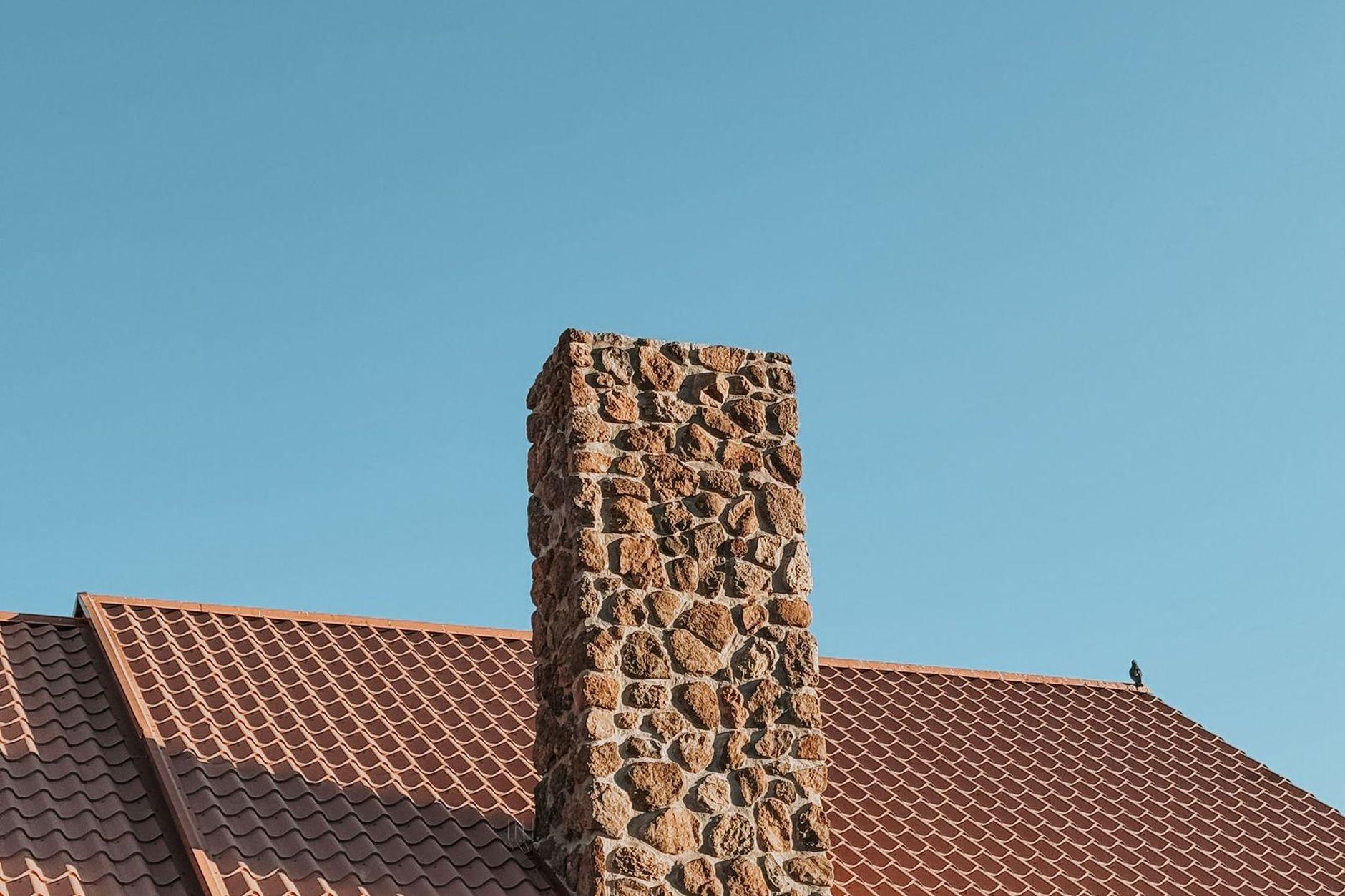
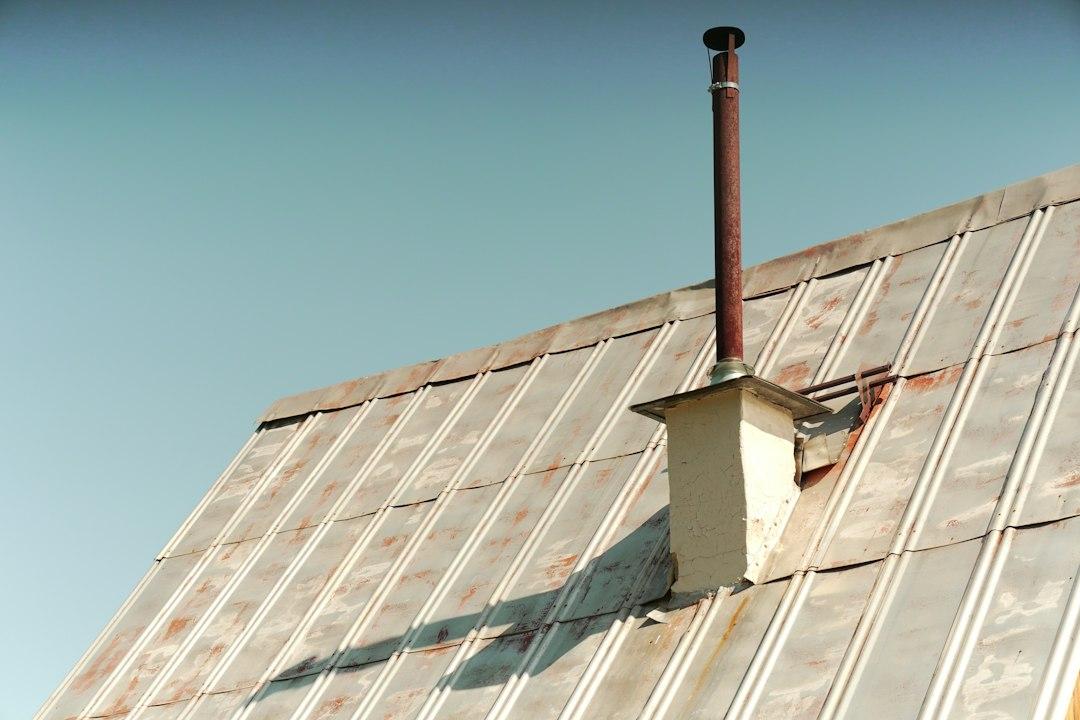
Even the cleanest remodel sits on an old chimney. For a log set, the existing flue carries the exhaust, so cracks and a missing cap still count. For an insert, liners run up the old flue to a new cap, and the crown and brick still need to keep water off them. A Level 2 camera inspection at $410 is the surest way to know where the chimney stands before money goes into the face. If it turns up crown or brick problems, those get their own written figure; see chimney masonry repair.
The rough shape of a budget
| Part | Our published figure |
|---|---|
| Camera inspection before work | $410 |
| Sealed insert set in the old firebox | $2,950 to $5,900 |
| Direct-vent unit framed into a wall | $4,700 to $9,450 |
| Log set and gas line | Written after a visit |
| Surround, hearth and mantel | Written after a visit |
| Chimney repairs found on the way | Written after a visit |
Settle the unit, then the look
The order matters. Pick the gas unit first, because its size, its trim kit and its clearances set the frame the stone or tile has to fit. Then choose the material. Then the mantel. Owners who reverse that order often end up with a face that has to be cut down, or a mantel that has to move.
A remodel visit with us looks at the firebox, the flue from the roof, the gas supply and the wall, then writes the unit options and the face options as separate lines so you can mix them. Ask for a remodel visit and tell us whether you lean toward logs, an insert or a wall unit, and how you picture the finished room.
What a written remodel scope should hold
A scope for this kind of job names the gas unit by make and model, the vent parts, the gas line work, the demolition, the new materials and the mantel height, each priced on its own line. It says what happens to the old damper and the old hearth. It lists what is not included, such as painting the rest of the wall. If a bid arrives as one number, ask for the lines behind it; that is where two bids can be compared fairly.
More on the remodel side sits on fireplace remodel, and the gas choices are laid out in log set or insert. For a house in Westminster, Seal Beach or Garden Grove, the first conversation starts at our contact page.
Get Rafferty's Read on Your Chimney
We size the firebox, check the flue, damper and cap, and write out the gas options your house can take, each with its prep work and price. We work from Westminster across Garden Grove, Seal Beach, Bellflower and nearby cities.