A repair visit you can judge from the first call
When a gas fireplace quits, the quick answer is to find whoever can come out and swap the part that most often fails. Sometimes that works. Often the same fault comes back, because the part was a symptom and the cause sat somewhere else: in the venting, in the gas supply or in how the logs were set. Here is what we think a careful repair visit looks like, so you can judge anyone you hire for a gas fireplace in Westminster, us included.
They ask what you have before they come
A gas fireplace is a listed appliance with its own manual, its own parts and its own venting rules. The make and model matter. Most units carry a rating plate, often on a chain or a panel behind the lower grille, that names them. A technician who asks for that, or asks you to read it out if you can, is planning to bring the right parts and look up the right figures. One who promises a fix before knowing what the unit is, is guessing.
It also helps to say which kind of gas fire you have:
- a log set burning in an open masonry fireplace
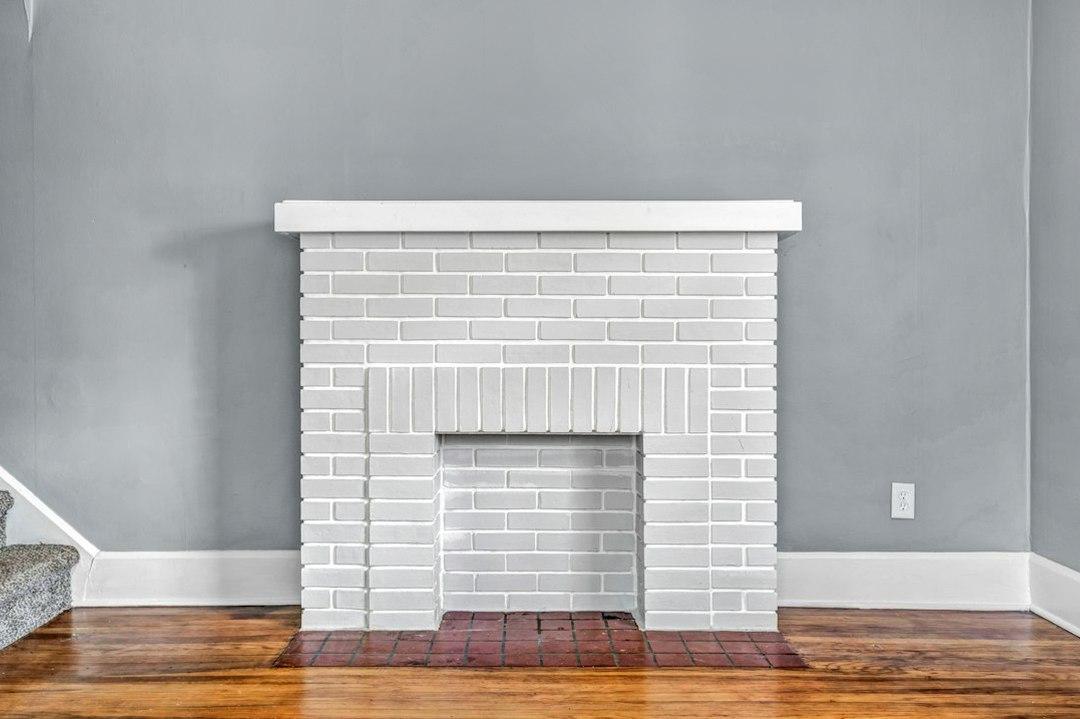
- an insert sitting in an old firebox with glass across the front
- a direct-vent fireplace built into a wall or a chase, venting outside
Each fails in its own ways, and each needs different checks.
They test before they replace
The parts that keep a gas fireplace safe are designed to shut it down when something is wrong. A flame sensor that reads too cold, a switch that senses poor venting, a receiver with weak batteries: each one stops the fire on purpose. Replacing the sensor without asking why it read cold just hides the warning for a while.
A careful visit measures. Gas pressure at the valve is read with a gauge and compared with the figure in the manual. Sensor output is read with a meter, not judged by eye. The vent is followed from the unit to where it ends outside, looking for a nest, a crushed section or a cap packed with leaves. Only then does a part come out of the van.
They look past the burner
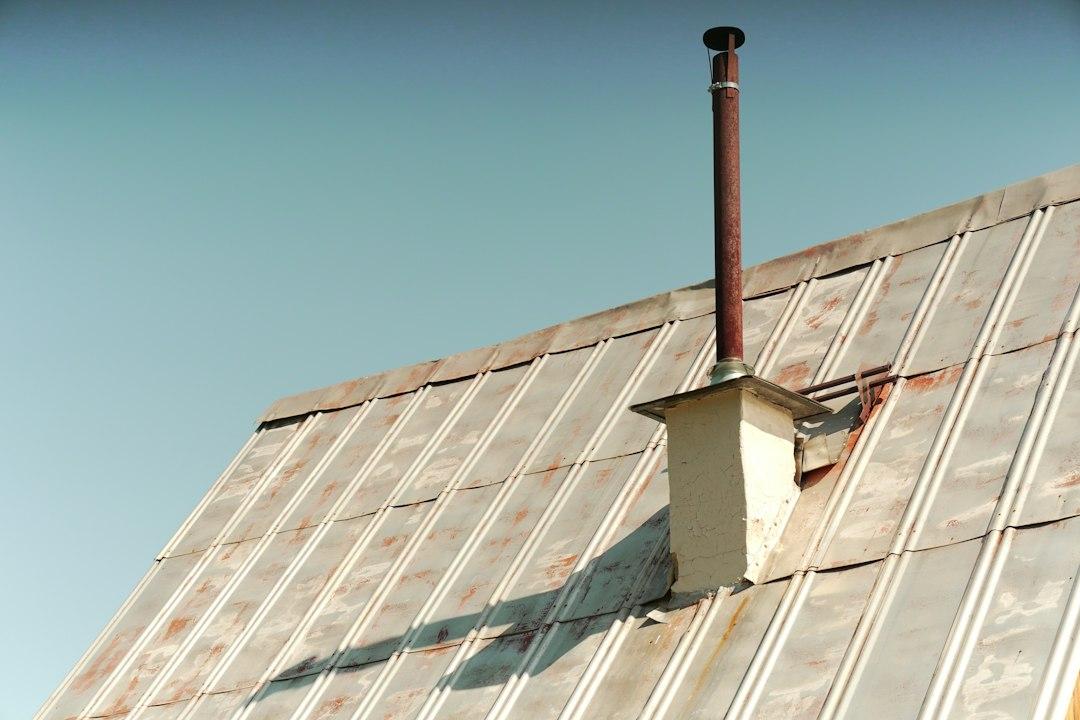
On a sealed insert or a direct-vent unit, the glass front is part of the venting. If its gasket is flattened or the frame is not seated, room air leaks in and the flame misbehaves. On a log set, the position of each ceramic log matters: the manual shows a layout, and a log moved during a cleaning can put flame where it makes soot. Westminster sits a few miles from the ocean, and salt air reaches vent caps and metal parts on outside walls, so we look for rust there too. A visit that ignores those things will keep sending someone back.
The price arrives in writing before the part goes in
There is no fair flat price for gas fireplace repair, because one symptom can come from several places and parts differ by brand. We do not publish one for that reason. What you should get is a written figure once the fault is found, naming the part, the labor and anything else the visit turned up, before anything is changed. If a gauge or meter reading led to the diagnosis, it belongs on the report so you can see why.
What moves that figure:
- which part failed, and whether it is a common item or a factory-only piece
- how easy the unit is to reach behind its surround
- whether the vent needs work outside as well as inside
- how old the unit is and whether its maker still supports it
That written figure is the point where you decide. Ask for a repair visit and tell us the kind of gas fireplace you have and what it does when you try to light it.
They tell you when repair stops making sense
Some fireplaces are not worth fixing. A unit from decades ago with a cracked firebox, a discontinued valve and a vent that falls short of its own manual can cost more to patch than to replace. A good technician says so and shows you the numbers. For comparison, a new sealed insert set into an existing firebox runs $2,950 to $5,900 installed with us, and a direct-vent unit framed into a new spot runs $4,700 to $9,450. If the repair figure is creeping toward the bottom of those ranges, price the replacement as well. Our post comparing log sets and inserts sets out the options.
Five things you should hear on the visit
From anyone working on your gas fireplace, expect to hear:
- what the unit is, by make and model
- what was measured, and what the reading was
- where the vent runs and how it ends outside
- what failed, why, and what the replacement part is
- whether the fireplace is safe to use tonight
If a visit cannot answer those five, the fault may not have been found yet.
What a repair visit with us includes
We light the unit with you watching, or try to, so we see the same fault you see. With the gas off and the glass out, we read the gas pressure, test the safety sensors and the ignition, compare the log layout or the burner with the manual and follow the vent outside. You get the findings and the price in writing. If the unit has a fault we cannot safely leave running, we shut its gas off at the key and explain why.
More detail sits on our gas fireplace repair page, and gas fireplace cleaning covers the visit for a unit that runs but burns dirty. Whether your home is in Westminster, Garden Grove or Bellflower, the next move is a short message through the contact page.
Get Rafferty's Read on Your Chimney
We size the firebox, check the flue, damper and cap, and write out the gas options your house can take, each with its prep work and price. We work from Westminster across Garden Grove, Seal Beach, Bellflower and nearby cities.