The question sellers bring us
"Should we put gas logs in before we list?" Sellers in Westminster ask us that often, usually people who stopped burning wood years ago and assume buyers want gas. The honest answer depends on the chimney, on who is likely to buy and on what the inspection is going to say either way. This post lays out the choices, what each costs where we publish a price, and why a camera inspection comes first in all of them.
What a buyer's chimney inspection will look at
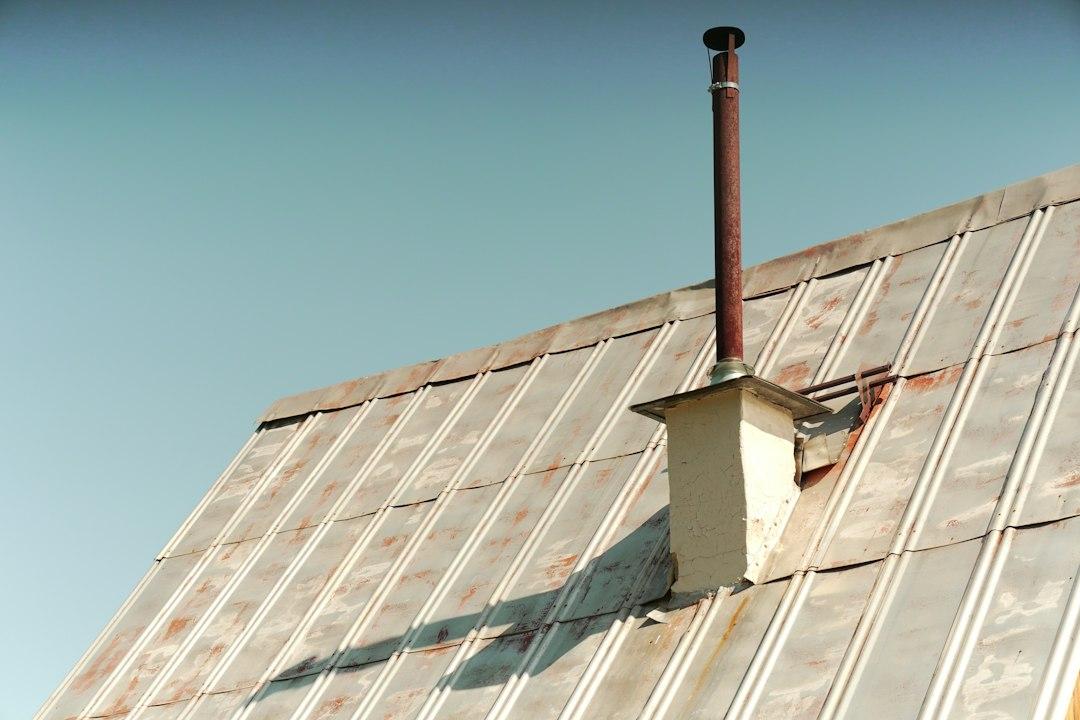
When a house changes owners, the fire code standard written for chimneys points to its deeper everyday inspection: a Level 2, where a camera records the inside of the flue from bottom to top. For an older Westminster house, that camera sees the clay tile flue, the joints between the tiles, the smoke chamber, the damper and the top of the chimney.
What matters for a seller is that a gas conversion does not hide any of it. A log set sits in the same firebox and sends exhaust up the same flue. An insert puts liners up the flue, but the inspection still covers the crown, the cap and whatever part of the old flue the camera can reach. Converting does not make a tired chimney pass.
Choice one: leave it as a wood fireplace
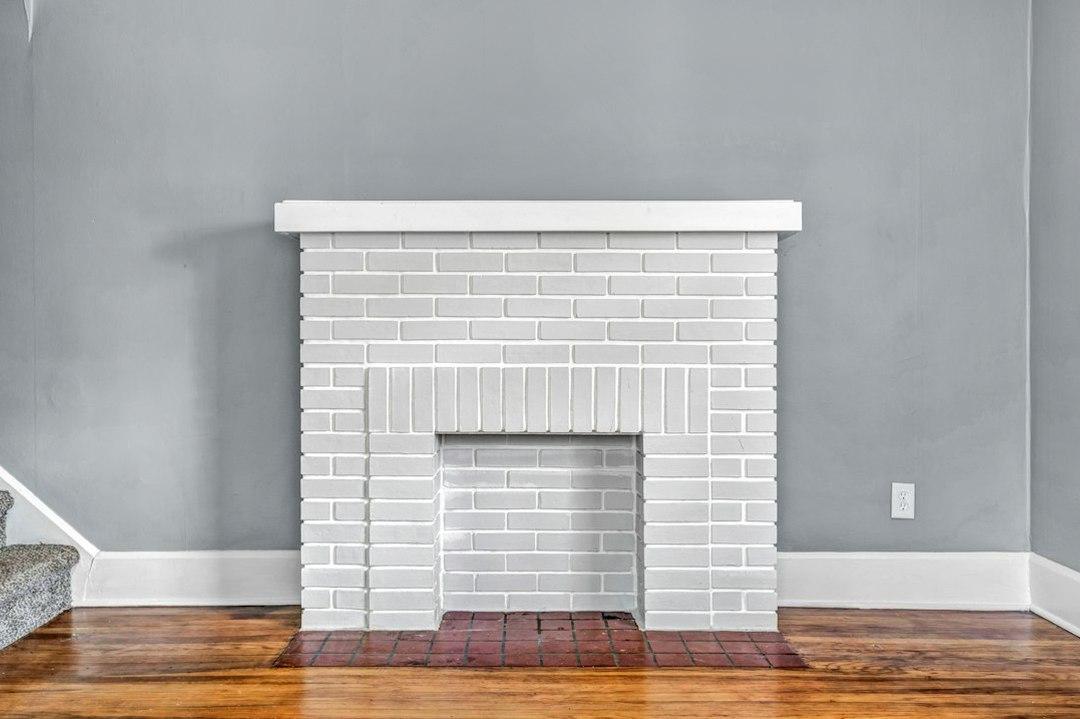
This is the cheapest route and often the right one. A seller who books a Level 2 before listing, at $410, learns what the buyer's inspector is going to find and has time to decide what to do about it. The buyer then decides about gas after closing, to their own taste and budget.
The downside: buyers who know they want gas will mentally subtract the cost of the switch. Our report helps there. It carries a short note on whether the chimney would take a log set as it stands, and whether an insert would suit it, which gives a buyer something concrete instead of a worst case.
Choice two: fit a log set before listing
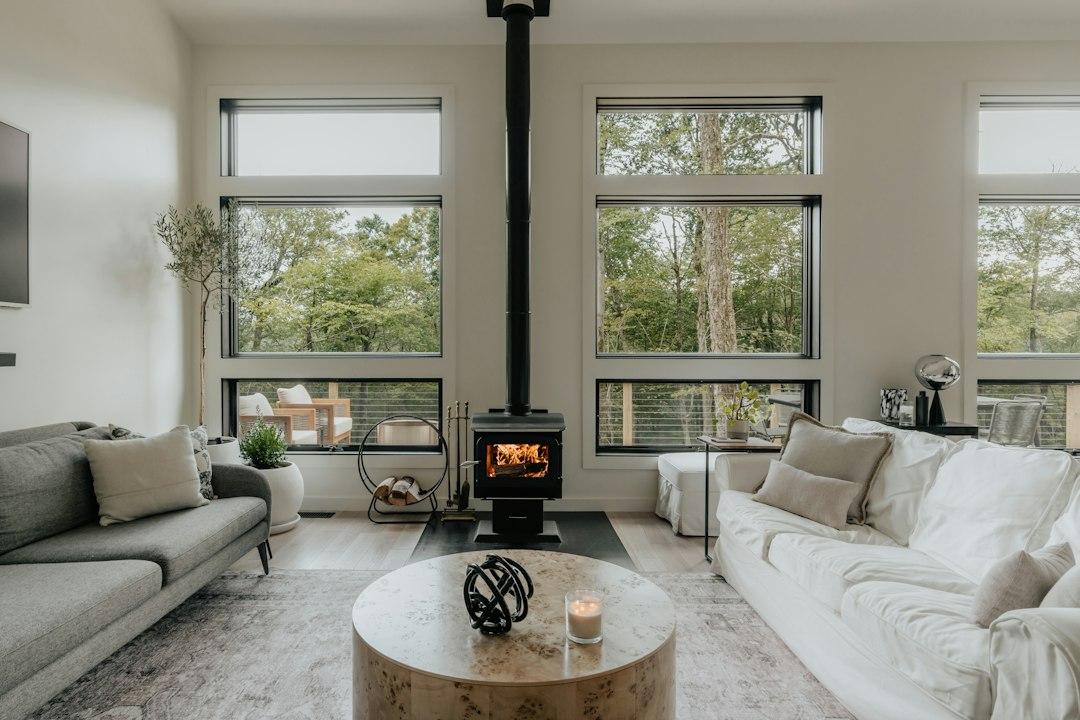
A log set changes the look of the fireplace in listing photos and at showings, and it is the smaller of the two gas jobs. It has no published price with us because sets and gas line work vary; you get a written figure after a visit. Two cautions. First, the flue still carries exhaust, so a cracked tile still shows up on the buyer's camera. Second, the damper has to be fixed open for the set, which some buyers notice as a draft. Fit one only after the flue has been checked.
Choice three: fit an insert before listing
An insert is a real heating appliance and a visible upgrade, and it answers some flue problems by running new liners to the top. Our installed range for an insert set into an existing firebox is $2,950 to $5,900. For a seller, the question is whether buyers will value it enough to cover that. On a street of similar older houses where most fireplaces still burn wood, it can set a listing apart; elsewhere it may not return its cost. Your agent knows the local buyers better than we do, so that part is their call.
The order that works for a seller
- Book the Level 2 first, so you know what the chimney can carry.
- Read the gas note in the report with your agent.
- Decide: leave it, fit a log set or fit an insert.
- If you convert, keep the unit's manual and the paperwork for the buyer.
- Add the report and any conversion paperwork to the disclosure file.
The report decides the rest. Request a pre-listing Level 2 and tell us roughly when the house goes on the market and whether you are weighing a conversion, so the gas note covers the options you have in mind.
What a buyer's side notices on a converted fireplace
When a log set or an insert is already in place, buyers and their inspectors tend to check a few things straight away: whether the log set has its damper clamp, whether the insert's glass and gasket are whole, whether the gas key turns smoothly and whether the unit lights with a steady blue flame. A seller who converts should have those in order before the first showing, because a missing clamp or a sooty pane reads as neglect even when the chimney itself is fine. Putting them right costs little; explaining them away in a repair negotiation can cost far more.
For buyers reading this
If you are on the other side and the house you want has a wood fireplace, the same Level 2 tells you what a switch would involve after closing. Book it during your inspection period. Our home sale inspection page explains how sale reports work for older houses, and agents can see how we handle bookings on the page for agents.
Paperwork that helps a sale
Whatever you decide, keep the paper. A buyer feels better about a gas fireplace that arrives with its manual, its model number and a dated inspection report than one that comes with nothing. If you converted, ask whoever fitted the unit for a written note of what went in, the vent parts and the date. If you did not, the Level 2 report is the record.
We send reports to whatever list of people you give us, so the listing agent and, later, the buyer's side can all work from one copy. Sellers in Westminster, Bellflower and Seal Beach can start with a note through our contact page.
Get Rafferty's Read on Your Chimney
We size the firebox, check the flue, damper and cap, and write out the gas options your house can take, each with its prep work and price. We work from Westminster across Garden Grove, Seal Beach, Bellflower and nearby cities.